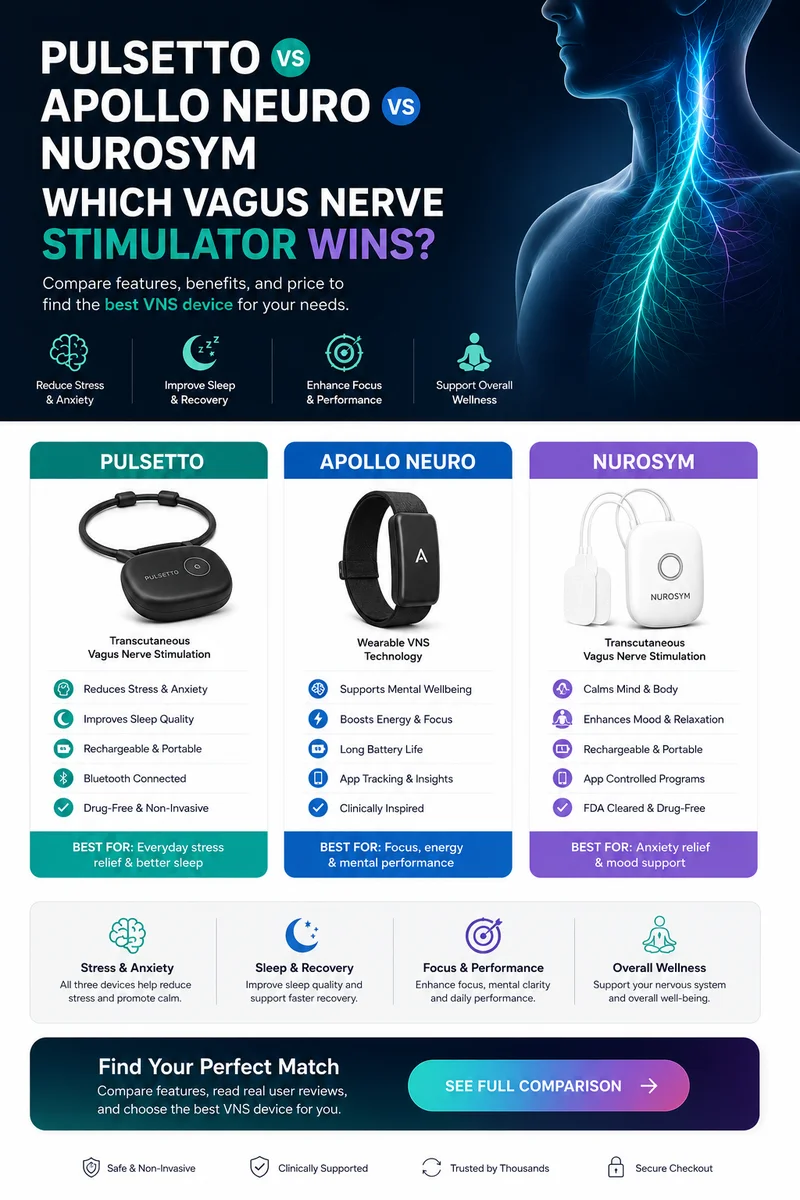
Vagus nerve stimulators are no longer niche medical devices — they've become a mainstream wellness tool for stress, sleep, and anxiety. But the market is confusing: devices range from $269 to $750+, use completely different technologies, and make overlapping claims. This comparison cuts through the noise.
We compared Pulsetto, Apollo Neuro, and Nurosym on the factors that actually matter: how they work, what the research says, how much they cost long-term, and who each device is actually best for.
Quick Overview: Three Different Approaches
Side-by-Side Comparison
| Feature | Pulsetto FIT | Apollo Neuro | Nurosym |
|---|---|---|---|
| Technology | Electrical tVNS (neck) | Vibrotactile (wrist/ankle) | Electrical tVNS (ear) |
| Direct VNS stimulation | ✓ | ✗ Indirect | ✓ |
| Bilateral stimulation | ✓ Both sides | N/A | ✗ One ear |
| Hands-free use | ✓ | ✓ | ⚠ Must hold in place |
| Session length | 4–20 min | Continuous / all-day | 15–30 min |
| Price | $296 | $349 | $750+ |
| Subscription required | No (optional) | Optional (~$24.99/yr) | No |
| Free programs included | 5 programs free | Limited free mode | Basic protocols |
| App quality | Excellent | Excellent | Basic |
| Works with Android | ✓ | ✓ | ✓ |
| CE certified | ✓ | ✗ | ✓ Medical grade |
| FCC certified | ✓ | ✓ | ✓ |
| Money-back guarantee | 30 days | 30 days | 30 days |
| Clinical research | Growing body of studies | Vibration therapy studies | Most clinical backing |
| Best for | Daily stress & sleep | All-day passive use | Clinical/medical users |
Pulsetto FIT — Deep Dive
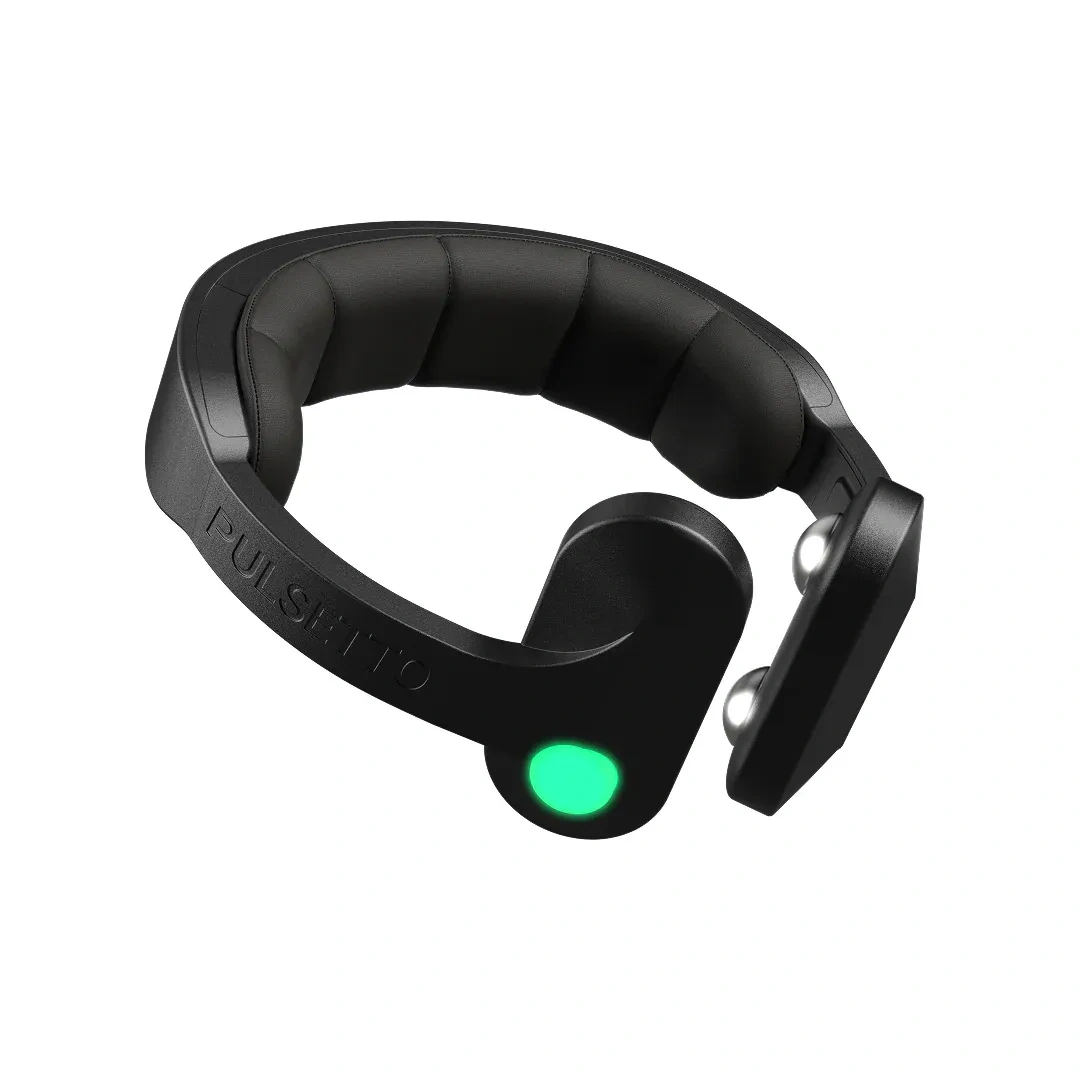
Pulsetto is a U-shaped device worn around the base of the neck. It delivers low-frequency electrical pulses to both sides of the vagus nerve simultaneously — the only bilateral neck device in this comparison. Sessions run 4–20 minutes depending on the program, and the companion app guides you through structured routines for stress, anxiety, sleep, burnout, and pain.
At $296 with no mandatory subscription and 5 free programs, it offers the best price-to-features ratio of the three. Read our full 30-day Pulsetto review here.
Pros
- Bilateral stimulation — both sides of the vagus nerve
- Lowest price of the three at $296
- 5 expert programs free — no subscription needed
- Excellent app with guided sessions
- Short 4-minute sessions fit any schedule
- CE and FCC certified
- HSA/FSA eligible in the US
- 30-day money-back guarantee + 2-year warranty
Cons
- Requires gel for electrode contact (consumed over time)
- Neck placement visible — not discreet during use
- Not suitable for people with pacemakers or epilepsy
- Results take 2–4 weeks of consistent daily use
Try Pulsetto risk-free for 30 days
Apollo Neuro — Deep Dive
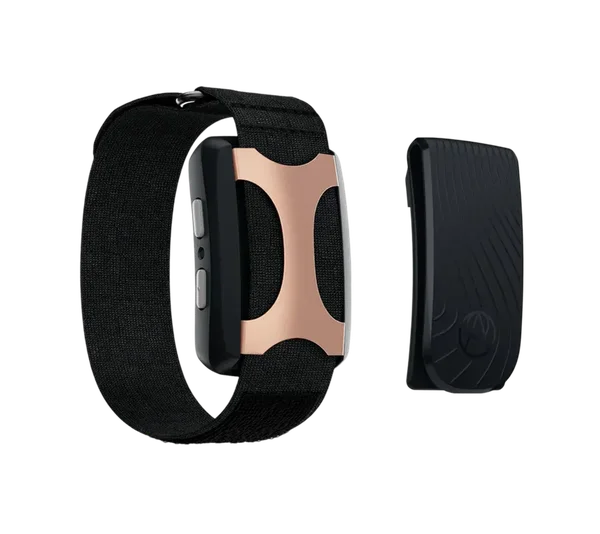
Apollo Neuro takes a fundamentally different approach: instead of electrical stimulation, it delivers gentle vibrations through a wrist or ankle band. These vibrotactile signals influence the autonomic nervous system through mechanoreceptors in the skin — a different pathway than direct vagus nerve stimulation but one with its own body of supporting research.
The key advantage is all-day passive use — you wear Apollo Neuro like a watch and it works in the background. The key disadvantage is the subscription cost for full access and the higher price point for a device that doesn't directly stimulate the vagus nerve.
Pros
- All-day passive wearable — no sessions to schedule
- AI personalization adapts to your patterns
- Discreet — looks like a smartwatch
- Oura Ring integration for sleep tracking
- Well-designed app with multiple modes
- No gel or electrode setup required
Cons
- Not direct electrical VNS — different technology
- Higher price at $349
- Optional subscription limits full AI features
- Battery needs daily charging
- Less research on vibrotactile vs electrical tVNS
- Not CE certified as a medical device
Nurosym — Deep Dive
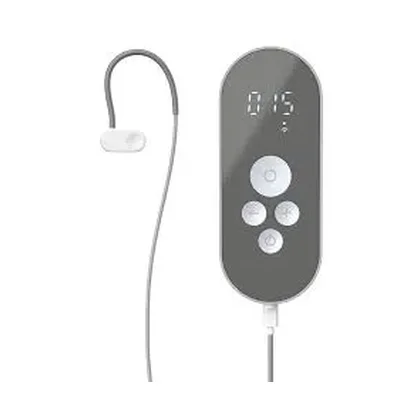
Nurosym is the most clinically researched device in this comparison. Manufactured by Parasym (a European health technology company), it delivers auricular tVNS — electrical stimulation through the ear targeting the auricular branch of the vagus nerve. It carries CE medical device certification, which neither Pulsetto nor Apollo Neuro holds at the medical grade.
The trade-off is significant: at $750+, Nurosym costs more than twice as much as Pulsetto, requires you to hold the device against your ear during sessions (not hands-free), and has a less developed app ecosystem. For general wellness users, the premium is hard to justify. For clinical or medically-supervised use cases, it may be the more appropriate choice.
Pros
- CE medical device certification — highest regulatory standard
- Most published clinical research of the three
- Direct electrical auricular tVNS
- No subscription required
- Preferred by some healthcare providers
Cons
- $750+ — most expensive by a wide margin
- Must hold device in place — not hands-free
- Basic app compared to Pulsetto or Apollo
- One-sided stimulation only (auricular)
- Harder to access outside Europe
- Overkill for general wellness use cases
Which Device Is Right for You?
| Your situation | Best choice | Why |
|---|---|---|
| Daily stress & sleep improvement | Pulsetto FIT | Best price, bilateral tVNS, structured programs |
| Want all-day passive wearable | Apollo Neuro | Wrist-worn, no sessions to schedule |
| Working with a healthcare provider | Nurosym | CE medical certified, most clinical evidence |
| Budget is a priority | Pulsetto FIT | $296 vs $349 vs $750+ — lowest total cost |
| Android user wanting tVNS | Pulsetto FIT | All three work with Android — Pulsetto best value |
| Trying VNS for the first time | Pulsetto FIT | Easiest setup, best app, lowest risk with 30-day guarantee |
| Want no subscription ever | Pulsetto FIT | 5 programs free forever — no paywall |
| Prefer vibration over electrical | Apollo Neuro | Only vibrotactile option in this comparison |
Real Cost Over 2 Years
The sticker price isn't the full story. Here's what each device actually costs over two years of use:
| Cost item | Pulsetto FIT | Apollo Neuro | Nurosym |
|---|---|---|---|
| Device price | $296 | $349 | $750+ |
| Subscription (2 years) | $0 (optional) | ~$50 optional | $0 |
| Conductive gel (~4 tubes) | ~$40 | $0 | ~$40 |
| Total (2 years) | ~$336 | ~$399 | ~$790+ |
Prices are approximate and subject to change. Subscription costs are based on optional premium tiers. Always verify current pricing on official websites.
Frequently Asked Questions
What is the difference between Pulsetto and Apollo Neuro?
Pulsetto uses direct electrical stimulation of the vagus nerve through the neck (tVNS), while Apollo Neuro uses gentle vibrations through the wrist or ankle (vibrotactile stimulation). They are fundamentally different technologies. Pulsetto is cheaper at $296 vs Apollo's $349, and includes 5 free programs without a required subscription.
Is Nurosym worth the price?
Nurosym has CE medical device certification and the most published clinical research of the three — which is meaningful if you are working with a healthcare provider or need a medically certified device. For general wellness users, the $750+ price versus Pulsetto's $296 is a very hard case to make. Most of the core benefits (stress reduction, sleep improvement, HRV improvement) are achievable with Pulsetto at a fraction of the cost.
Does Apollo Neuro actually stimulate the vagus nerve?
Not directly. Apollo Neuro delivers vibrotactile stimulation through skin mechanoreceptors, which indirectly influences the autonomic nervous system. It is not transcutaneous electrical vagus nerve stimulation (tVNS) like Pulsetto or Nurosym. Both approaches have research backing, but they work through different biological mechanisms — this matters when comparing them to traditional VNS research.
Which vagus nerve stimulator is best for sleep?
All three have sleep-specific modes. Pulsetto's free Sleep program (4-minute evening sessions guided by the app) has consistently positive user feedback for falling asleep faster and reducing nighttime anxiety. Apollo Neuro's Sleep & Recover mode works passively while worn. Nurosym targets autonomic balance which can improve sleep quality over time. For structured, app-guided sleep sessions, Pulsetto is the most user-friendly option.
Does Pulsetto require a subscription?
No. Pulsetto includes 5 expert-designed programs completely free after the one-time device purchase. An optional Premium subscription unlocks additional programs and personalized insights, but the core functionality — Stress, Anxiety, Sleep, Burnout, and Pain programs — is free forever.
Which vagus nerve stimulator is most affordable?
Pulsetto FIT at $296 is the most affordable of the three devices upfront. Over two years accounting for optional subscriptions and consumables, Pulsetto's total cost remains the lowest at approximately $336 versus $399 for Apollo Neuro and $790+ for Nurosym.
Final Verdict
🥇 Best Overall: Pulsetto FIT — $296
For most people exploring vagus nerve stimulation for stress, sleep, or anxiety — Pulsetto FIT wins on price, technology, app quality, and ease of daily use. Bilateral electrical tVNS, 5 free programs, no subscription, and a 30-day guarantee make it the lowest-risk entry point into this category.
Apollo Neuro is the right pick if you specifically want an all-day passive wearable with AI personalization and don't mind that it's not direct electrical VNS.
Nurosym is the right pick if you are working with a healthcare provider who recommends auricular tVNS and the clinical certification matters for your situation. For self-directed wellness use, the price premium is difficult to justify.
Try Pulsetto FIT — 30 days risk-free
Free worldwide shipping · HSA/FSA eligible · 2-year warranty · No subscription required
Get Pulsetto FIT → Read our full 30-day review: blog.healthinsider.store/pulsetto-fit/